Academic publishing could be facing a watershed moment

Academic publishing could be facing a watershed moment

Picture

Member for

1 year 6 months
Real name
Megan Donovan
Bio
Education & Admissions Correspondent
Megan Donovan covers the fast-changing world of college admissions, standardized testing, and student success strategies. With a background in academic counseling, she brings a deep understanding of the challenges students face. Whether she’s analyzing Ivy League acceptance trends or uncovering flaws in the education system, her work provides invaluable insights for students and parents alike.

Modified

Academic publishing is currently at a critical juncture. The imminent transformation of scholarly communications is indicated by the expiration of significant Transformative Agreements (TAs) by the end of 2025, the withdrawal of numerous UK universities from Elsevier's Read-and-Publish agreements, and the increasing criticism of the conventional subscription-based model. The global academic publishing landscape is enduring a substantial transformation as a result of the financial constraints that are tightening institutional budgets and the ongoing struggle of open access (OA) models to establish long-term sustainability.

Sources: https://www.axiell.com/solutions/special-library-software/

The broader financial and structural issues that affect academic publishing are underscored by the decision of several UK universities, including Sheffield, to withdraw from Elsevier's Read-and-Publish agreements. The reevaluation of library expenses is a result of the sector-wide budget cuts that UK universities are currently experiencing. Sheffield allocated 30% of its content budget to significant publishing agreements, with Elsevier alone accounting for 12%. TAs were initially perceived as a means to transition to full open access; however, they have since become financially unsustainable. The OA transition has been halted, as indicated by Jisc's report on UK TAs. By 2024, it is anticipated that 25% of TA expenditures will be dependent on UKRI block grants. The value of subscription-based publishing models is being increasingly questioned by libraries. Alternative access strategies, including document delivery services, rights retention policies, and open repositories, are being investigated as cost-effective solutions.


Renegotiations or the potential collapse of the current big deal model may be initiated by the expiration of the main TAs with Elsevier, Wiley, Springer Nature, Taylor & Francis, and Sage by the end of 2025. The utilization of post-cancellation access rights, the expansion of open-access repositories and preprint servers, the strategic use of Article Processing Charges (APCs), and the limited resubscriptions to key journals are all strategies that institutions are currently experimenting to operate without traditional publisher agreements. Researchers are compelled to adjust to new content-access methods as a result of their departure from Elsevier's agreement. Institutional support is necessary to facilitate the implementation of these new access models. Historically, academic publishers have depended on the escalation of subscription fees. Publishers will be compelled to reevaluate their pricing and access models if numerous universities terminate these agreements. Publishers must either adjust to more transparent, cost-efficient pricing or face obsolescence, while institutions must determine the type of OA system they wish to support.


TAs were initially intended to serve as a transitional tool to complete OA publishing; however, they have evolved into a means for publishers to preserve their revenue streams. Despite the growing adoption of open access (OA), subscriptions continue to account for 80% of publisher revenue in the $11 billion academic journal market. Research institutions are still subjected to financial constraints as a result of subscription-based publishing. The introduction of TAs was intended to address the inefficiencies of hybrid OA models, which led to institutions paying twice—once for subscriptions and again for OA publication fees. The Max Planck Digital Library (MPDL) White Paper (2015) demonstrated that the current subscription allocations were adequate to facilitate the transition of journals to open access. Peter Suber (2012) had previously contended that research institutions do not require additional funding to support open access; rather, they must redirect existing resources. Institutions were able to ensure that research was accessible and maintain control over financial streams by incorporating OA publishing costs into library acquisitions.

Source: https://blog.library.gsu.edu/2013/01/29/library-computer-availability-widget-currently-offline/

The initial negotiations with publishers encountered significant resistance, as they were hesitant to consolidate subscription and OA costs into a singular budget under library control and relinquish control over distinct financial streams. Institutions in Germany, Sweden, Norway, Hungary, and the University of California have all canceled significant subscriptions as a result of this resistance. Publishers were compelled to recognize the changing power dynamics as a result of these cancellations, which granted libraries a larger advantage in negotiations. In order to prevent revenue losses, major publishers incorporated TAs into their business strategies by selling TAs as commercial products, shifting perceptions of TAs from an institution-driven initiative to a publisher-driven model, and maintaining fixed payments for access and OA publishing, which occasionally align with old subscription fees. Many libraries were skeptical of TAs at this juncture, as they believed they were reinforcing publisher dominance rather than disrupting the conventional publishing model.


Early TAs were successful in increasing OA content; however, they continued to rely on fixed pre-payment models that included lump sum fees, article limits, and legacy subscription costs that were incorporated into the agreements. This posed a risk of securing libraries in an evolved version of Big Deals, rather than allowing them to achieve full financial flexibility. In Sweden's Bibsam consortium negotiations, a novel approach is emerging that involves the transition from pre-paid article caps to post-payment models. This model involves institutions paying based on actual article output rather than pre-set quotas, the complete elimination of reading fees, and the alignment of budgets with researcher activity, allowing funds to follow authors rather than publishers. Libraries may guarantee that financial obligations adhere to researchers rather than being confined to publisher-controlled agreements by implementing post-payment models.


Journal quality, reputation, and audience are prioritized by researchers over publishing models. Historically, researchers have been burdened by OA mandates, which has resulted in reluctance to adopt new platforms. TAs reduce administrative friction by incorporating open access into established journals, thereby minimizing disruption. TAs facilitate the transition by providing researchers with OA options, rather than imposing behavioral change. The Max Planck Digital Library (MPDL) was an early adopter of TAs and has been actively involved in their evolution. Cost-neutral agreements facilitated the transition to publishing models; however, MPDL soon acknowledged the necessity of transitioning to post-payment structures. MPDL effectively reduced its dependence on subscription publishers, redirected funds to researcher-driven OA publishing needs, and expanded agreements to include smaller publishers by aligning budget allocations with publishing output, thereby leveling the playing field.


Although TAs are not an ideal solution, they are essential for the transition to OA. They offer transient financial transparency; however, they must transform into sustainable OA business models. Post-payment models provide greater flexibility by transitioning from fixed pre-payment structures, thereby guaranteeing cost fairness and budget flexibility. Libraries must participate in negotiations, as the acceptance of publisher-driven TA models may result in the perpetuation of the same financial inefficiencies. Collective action is necessary for systemic change, and initiatives such as OA2020 and ESAC assist institutions in the negotiation of more intelligent agreements. Transformative Agreements are merely a preliminary measure, not the ultimate objective. They are not an end in themselves; rather, they are a transitional tool that is used to thoroughly restructure academic publishing.


The rare opportunity for institutions to reset their relationships with publishers is represented by the expiration of key TAs in 2025. Universities must embrace this opportunity to advocate for open-access agreements that are transparent, cost-effective, and researcher-focused. Although TAs have facilitated a transition, they are not the definitive solution. Institutions that neglect to adopt a proactive strategy may be compelled to adopt yet another unsustainable financial model. In contrast, those who prioritize alternative access strategies and demand genuine cost transparency will be at the vanguard of influencing the future of scholarly communication. The actions of universities, libraries, and funding bodies in the coming years will determine whether academic publishing experiences a crucial moment that results in significant change or a rebranded version of the same system.

Picture

Member for

1 year 6 months
Real name
Megan Donovan
Bio
Education & Admissions Correspondent
Megan Donovan covers the fast-changing world of college admissions, standardized testing, and student success strategies. With a background in academic counseling, she brings a deep understanding of the challenges students face. Whether she’s analyzing Ivy League acceptance trends or uncovering flaws in the education system, her work provides invaluable insights for students and parents alike.

Finding a "safe" way to collaborate with China on research?

Finding a "safe" way to collaborate with China on research?

Picture

Member for

1 year 6 months
Real name
Megan Donovan
Bio
Education & Admissions Correspondent
Megan Donovan covers the fast-changing world of college admissions, standardized testing, and student success strategies. With a background in academic counseling, she brings a deep understanding of the challenges students face. Whether she’s analyzing Ivy League acceptance trends or uncovering flaws in the education system, her work provides invaluable insights for students and parents alike.

Modified

Collaboration in research has always been a key component of scientific advancement, encouraging creativity and cross-border knowledge sharing. However, because of economic competition, national security issues, and geopolitical tensions, research collaborations with China have grown more complicated in recent years. Countries across the world, but especially the US and Europe, are reevaluating their research partnerships with China, balancing the advantages of scientific collaboration against the hazards. The changing nature of research cooperation with China underscores important ramifications for other countries and the associated difficulties.

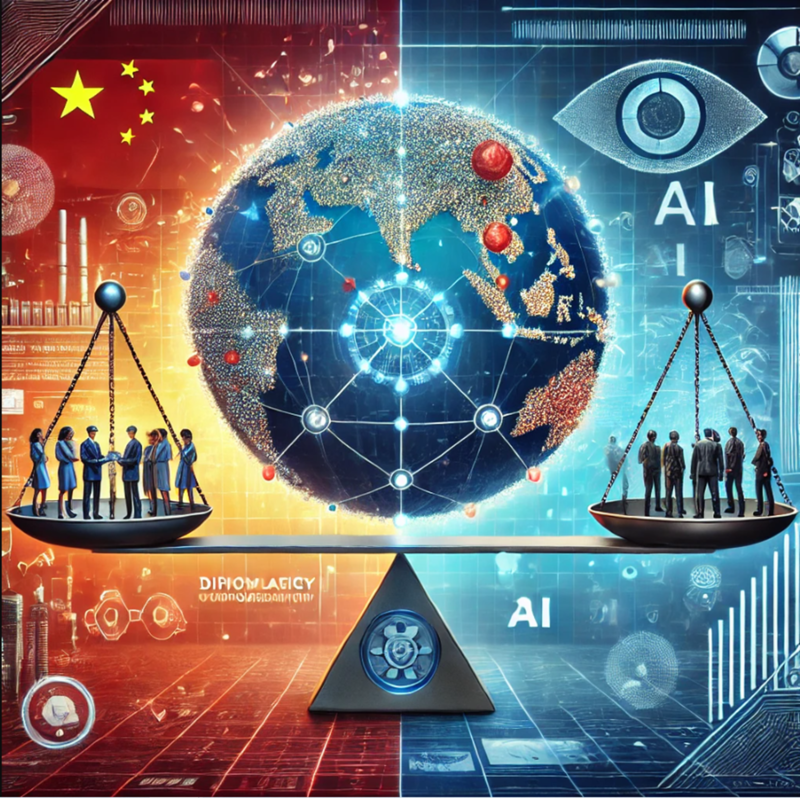
Note: Navigating Research Collaboration with China: Balancing Innovation, Security, and Geopolitical Tensions.

Particularly in vital areas like artificial intelligence (AI) and quantum computing, the US has adopted a tough posture in limiting research and technical cooperation with China. The Decoupling America’s Artificial Intelligence Capabilities from China Act is one of the most important pieces of legislation. It restricts U.S. companies and universities from conducting AI research in China or working with Chinese institutions, and it forbids the importation of AI technology and intellectual property created in China. Although American tech firms may oppose the law, it represents a larger movement in policy toward technological decoupling. This illustrates a zero-sum mentality in which technological and scientific superiority are seen as strategic advantages rather than simply commonplace worldwide breakthroughs.

Because of worries about espionage dangers in academia, China's military-civil fusion policy, which incorporates civilian research into military applications, and intellectual property theft and technology misuse, the U.S. government has increased its inspection of academic cooperation. As a result of these worries, the Department of Justice (DOJ) launched programs like the China Initiative, which investigated possible incidents of research theft. However, the initiative faced significant backlash for racial stereotyping and ultimately shut down in 2022. Concerns regarding the loss of talent and creative potential have been raised by the unintended implications of these measures, which have had a chilling impact on Chinese-American scholars and students in American colleges. According to some experts, overly securitizing research agreements could hinder scientific innovation and make it more difficult for American researchers to access important breakthroughs occurring in China.

Source: https://www.chinadailyhk.com/hk/article/600079

Europe has approached scientific relationships with China in a less combative but more cautious manner than the U.S. Concerns in Europe are less about direct security threats and more about ethics, data protection, and regulatory compliance. China is viewed by the EU as a structural rival in governance and ideology, a competitor in technology and trade, and a partner in areas like public health and climate change. But the rivalry element is becoming more noticeable, which makes scholarly partnerships more closely examined. Data transfer limitations impede the transmission of research data, and stringent medical data protection laws make medical research partnerships with China more challenging. Dual-use research concerns also make it difficult for European universities to determine whether their partnerships with Chinese institutes could be used for military purposes.

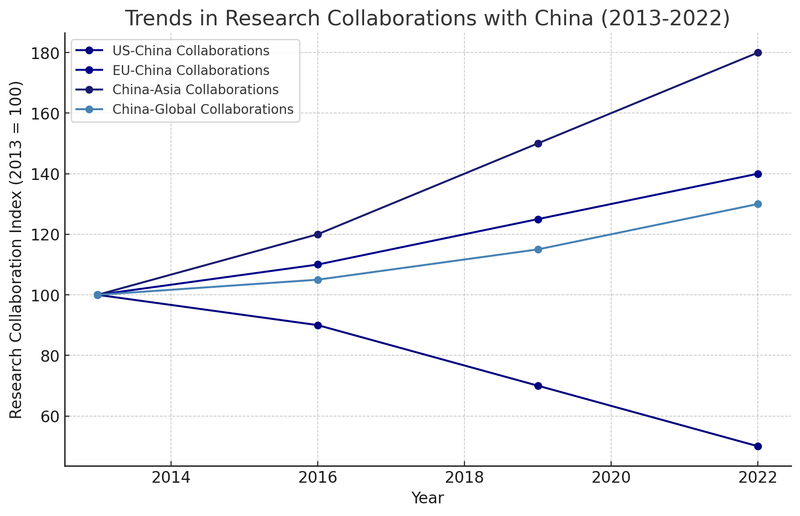
Europe and China continue to have a robust scientific partnership in spite of these worries. In contrast to the U.S., where such partnerships decreased, co-publications between China and key European countries such as Germany, France, and Italy increased significantly between 2013 and 2022. This demonstrates Europe's complex strategy, which appreciates the scientific and economic advantages of cooperation with China while simultaneously acknowledging the hazards. In an effort to overcome these obstacles, European institutions have introduced research security rules and due diligence procedures to evaluate partnerships on an individual basis. While some nations, like Germany, have been more reluctant to impose legally binding laws on institutions, others, like the Netherlands and Norway, have put regulatory tools in place to protect sensitive knowledge.

Some analysts think that some scientific areas are still possible for international collaboration with China, even in the face of tightening limitations. For tackling the world's environmental problems, climate science and environmental research—in which China possesses a wealth of climate data and expertise—remain essential. Research on topics like food security and renewable energy that supports the Sustainable Development Goals (SDGs) is seen as politically neutral and advantageous to all stakeholders. Collaboration is still essential for global readiness and response in the important fields of public health and disaster mitigation. The Association of Pacific Rim Universities (APRU) and the Max Planck Society are two groups that support ongoing collaborations in these areas, prioritizing reciprocal advantages over geopolitical antagonism. China's increasing sway over international standards-setting for new technology, however, raises worries since it may reshape the regulatory landscape to support Chinese businesses and research agendas.

In addition, some academics contend that it is impractical to try to distinguish between politically sensitive and safe study topics. Like the United States, China might utilize research partnerships as a bargaining tool in trade negotiations. Furthermore, open collaboration is becoming more difficult due to worries about intellectual property and economic security. China and the West both fear intellectual property theft, which results in further restrictions on collaborative research, and European firms are concerned about losing their patented environmental innovations to Chinese rivals. The lack of trust in the world is growing, which makes it more difficult for scientists to work together freely. China is developing an independent innovation ecosystem while lowering its reliance on Western research partnerships. However, many Chinese scientists still value international collaborations to advance technical innovation, obtain international patents, and publish in prestigious publications.

China is expanding its AI research partnerships with nations in Asia, the Middle East, and Latin America. Countries such as India, Saudi Arabia, and Singapore are developing closer research partnerships with Chinese universities. While Malaysia's AI research partnerships with China and Saudi Arabia are expanding due to investments in blockchain and cloud computing, Saudi Arabia's AI research is concentrated on partnerships with Pakistan, India, and Egypt rather than Western nations. Through encouraging academic and technological exchanges among participating nations, China's Belt and Road Initiative (BRI) has contributed to the development of these collaborations. These partnerships mark the beginning of a more multipolar research ecosystem in which nations other than the conventional Western power centers are increasingly influencing the direction of science and technology.

A comprehensive, well-rounded strategy is crucial given the challenges of conducting research with China. Protecting academic freedom while enforcing risk assessments based on evidence, encouraging selective collaboration by finding projects that are beneficial but don't pose many security risks, making clear policies that allow ethical and safe cooperation, and ensuring research security without racial profiling or unnecessary restrictions are all things that governments and academic institutions should do. To guarantee that scientific discoveries benefit all parties involved while lowering risks, policymakers should also take into account frameworks for ethical AI development, data-sharing agreements, and global research governance.

Note: Graph illustrating the trends in research collaborations with China from 2013 to 2022.

Geopolitical, economic, and security concerns are becoming more and more prevalent in research collaborations with China. Europe is taking a risk-based strategy, other countries are establishing autonomous partnerships with China, and the United States is heading toward technical decoupling. The ability to navigate these obstacles with openness, diligence, and honesty will be crucial for the future of international research. In an increasingly fragmented world, ensuring that collaborative research continues to fuel global innovation will require striking the correct balance between scientific advancement and national security. The worldwide research community can strive toward a more cooperative and sustainable approach to global scientific growth by enacting practical policies and encouraging inclusive discourse.

Picture

Member for

1 year 6 months
Real name
Megan Donovan
Bio
Education & Admissions Correspondent
Megan Donovan covers the fast-changing world of college admissions, standardized testing, and student success strategies. With a background in academic counseling, she brings a deep understanding of the challenges students face. Whether she’s analyzing Ivy League acceptance trends or uncovering flaws in the education system, her work provides invaluable insights for students and parents alike.

Linda McMahon auditions to lead Education Department Trump wants to eliminate

Linda McMahon auditions to lead Education Department Trump wants to eliminate

Picture

Member for

1 year 6 months
Real name
Lauren Robinson
Bio
Vice Chief Editor
With a decade of experience in education journalism, Lauren Robinson leads The EduTimes with a sharp editorial eye and a passion for academic integrity. She specializes in higher education policy, admissions trends, and the evolving landscape of online learning. A firm believer in the power of data-driven reporting, she ensures that every story published is both insightful and impactful.

Modified

President Donald Trump has nominated former WWE executive and Small Business Administration director Linda McMahon as his nominee for Secretary of Education. As Trump and his administration continue their efforts to completely demolish the Department of Education, her nomination coincides with a period of major upheaval in the American educational system. In her testimony, McMahon discussed her nomination with the Senate Health, Education, Labor, and Pensions (HELP) Committee. She has been a longstanding supporter and close ally of Trump, and she has promised to carry out the administration's education plan, which includes expanding school choice programs, reducing federal monitoring, and giving states more authority. Her inexperience with education policy, however, has alarmed politicians and educators alike, who doubt her capacity to successfully run such a vital federal department.

Sources: https://abcnews.go.com/Politics/trump-picks-linda-mcmahon-head-department-education/story?id=116033211

The Department of Education has long been criticized by Trump, who has called it a "con job" and said he would rather see it shut down completely. Executive orders, policy changes, and budget cuts are just a few of the actions his administration has done to weaken the agency. Budget cuts, the termination of research contracts, and the transfer of duties to other government agencies have all been made possible by the establishment of the Department of Government Efficiency (DOGE), which was spearheaded by tech entrepreneur Elon Musk. Important education research initiatives have been essentially put on hold as a result of DOGE canceling 89 contracts totaling $881 million inside the Institute of Education Sciences. The administration has also cut $101 million in funding for education programs devoted to diversity, equity, and inclusion (DEI). According to reports, DOGE employees obtained millions of students' private and financial information, raising ethical and legal questions about data security and privacy.


Trump's plan has received broad backing from Republican lawmakers who contend that state and local governments, not the federal government, should be in charge of education policy. House Speaker Mike Johnson, who supports school choice and greater parental authority, has called for the department's dissolution. They contend that giving states more control over education will increase competition and raise academic achievement. Critics worry that in the absence of federal supervision, gaps in funding and educational quality would increase, depriving low-income kids of chances and resources. However, civil rights organizations, educators, and Democratic leaders have denounced the action, stating that it would unfairly hurt kids who are low-income, have disabilities, or are dependent on federal student aid. Major teachers' unions have joined Senator Bernie Sanders in protesting McMahon's candidacy and the department's overall destruction. Senators Andy Kim and Elizabeth Warren have openly attacked the administration's lack of transparency and questioned McMahon's qualifications. Citing the department's responsibilities for paying special education services, enforcing anti-discrimination laws, and administering Pell Grants, Representative Jahana Hayes has sponsored legislation to safeguard it.


There would likely be serious repercussions if the Department of Education is abolished or severely weakened. With less government monitoring, Title I funding—which helps schools in low-income communities—could be transformed into block grants, possibly depleting resources for millions of students. According to the Center for American Progress, 2.8 million pupils in impoverished communities would be impacted by the loss of 180,000 teaching posts. The $15 billion in financing from the Individuals with Disabilities Education Act (IDEA) might be transferred to another federal agency, which would mean less money for special education programs and less protection for students with disabilities. Federal supervision of school discrimination lawsuits may be reduced if the Office for Civil Rights (OCR) is transferred from the Department of Education to the Department of Justice. This could increase inequality in the educational system by making it more difficult for students to report discrimination on the basis of gender, race, and disability. Furthermore, students in underserved neighborhoods would encounter more obstacles to obtaining a top-notch education as a result of the possible lack of federal monitoring, which would exacerbate already-existing socioeconomic inequalities.


Additionally, the Education Department oversees Pell Grants and federal student loans, which enable millions of students to afford higher education. The privatization or downsizing of federal loan programs could result in higher tuition costs and fewer affordable options for students, as 30% of college students in the United States rely on these programs. Higher education may become even less accessible to low-income students if federal subsidies and loan forgiveness programs are reduced or canceled, which would further solidify economic inequality in the nation. Financial instability may also affect universities and colleges that rely on federal financing, which could result in higher tuition and fewer options for student support services.

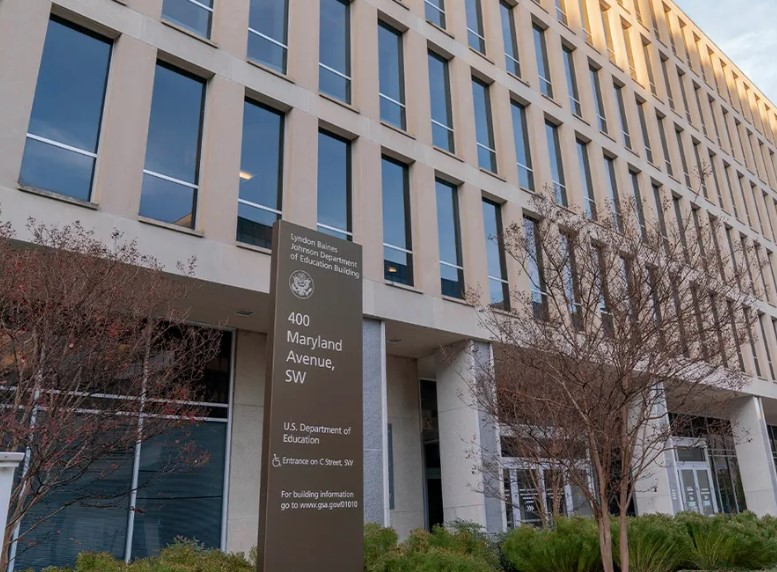
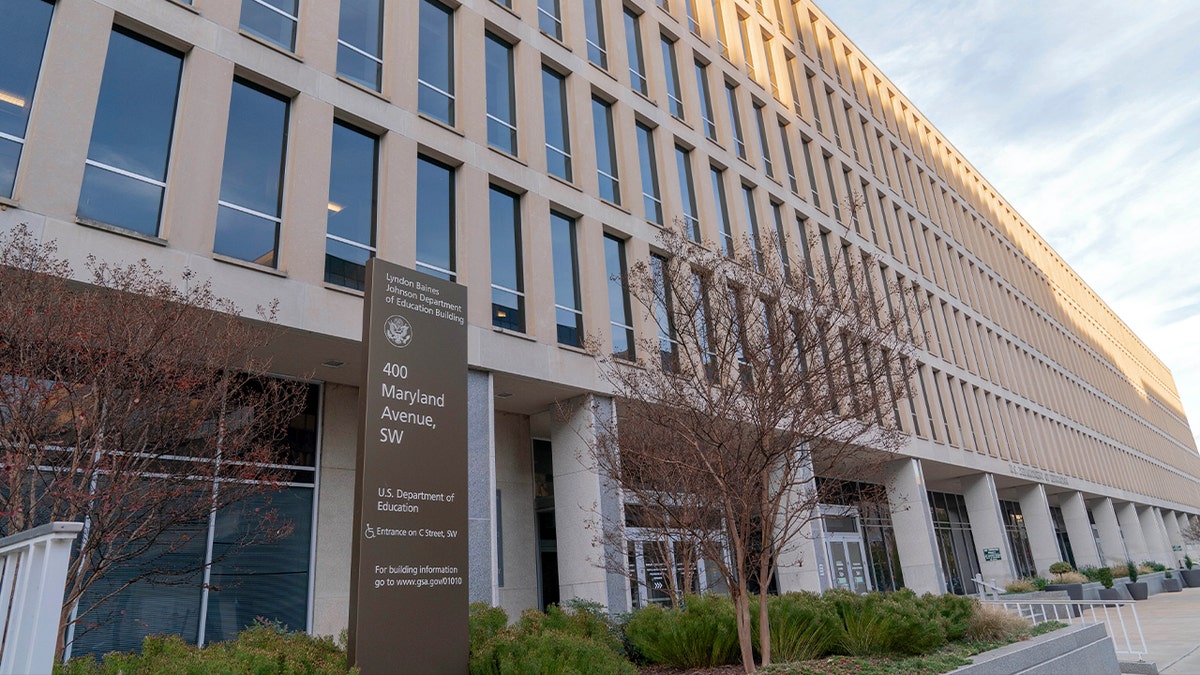
Note: US Department of Education / Sources: education-department.jpg (1200×675)

The public is generally opposed to eliminating the Department of Education, even though Republicans embrace the idea. More than 60% of Americans are against the department's closure, according to a recent Wall Street Journal poll. To guarantee that every child has access to a high-quality education, families and educators contend that public schools require more funding, not less. Without federal norms, many parents and educators worry that educational standards would become inconsistent, resulting in inadequate education for pupils in certain states. National Education Association (NEA) President Becky Pringle has referred to Trump's moves as "an abandonment of our nation’s commitment to equal educational opportunity," promising that supporters and educators will keep up their struggle to keep federal education programs intact. She underlined how important the Department of Education is to upholding equity and making sure kids have the help they require to thrive.

Note: The projected impacts of cutting the U.S. Department of Education

Linda McMahon's nomination as Secretary of Education marks a significant milestone in the Trump administration's efforts to abolish the Department of Education. Opponents warn of disastrous repercussions for public schools, students with disabilities, and college affordability, while her defenders contend that the action will offer states greater authority. The department's future is still unclear due to legal issues, congressional conflicts, and mounting public opposition. The upcoming months will determine whether Trump's school reform succeeds or faces insurmountable resistance. As McMahon negotiates the difficult terrain of carrying out Trump's divisive education plans, she will be under tremendous pressure from both political supporters and detractors if she is confirmed. The continuous discussion concerning the future of the Department of Education raises more general issues regarding the function of federal supervision in guaranteeing fair educational opportunities for all American kids.

Picture

Member for

1 year 6 months
Real name
Lauren Robinson
Bio
Vice Chief Editor
With a decade of experience in education journalism, Lauren Robinson leads The EduTimes with a sharp editorial eye and a passion for academic integrity. She specializes in higher education policy, admissions trends, and the evolving landscape of online learning. A firm believer in the power of data-driven reporting, she ensures that every story published is both insightful and impactful.

The McDonaldisation of higher education in the age of AI

The McDonaldisation of higher education in the age of AI

Picture

Member for

1 year 6 months
Real name
Megan Donovan
Bio
Education & Admissions Correspondent
Megan Donovan covers the fast-changing world of college admissions, standardized testing, and student success strategies. With a background in academic counseling, she brings a deep understanding of the challenges students face. Whether she’s analyzing Ivy League acceptance trends or uncovering flaws in the education system, her work provides invaluable insights for students and parents alike.

Modified

Sociologist George Ritzer created the word "McDonaldization" to describe how concepts from fast-food chains—efficiency, calculability, predictability, and control, or ECPC—have permeated many aspects of society. Teaching, learning, and administration are undergoing a fundamental revolution as a result of these concepts being increasingly embedded in higher education in the age of artificial intelligence (AI).

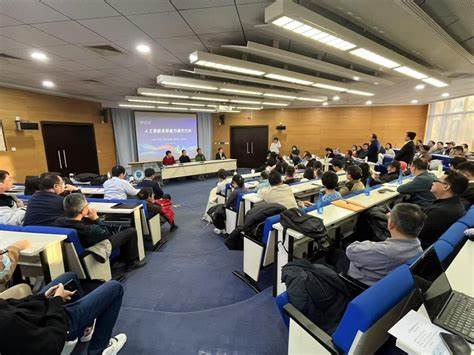
Note: Class Seminar on AI Ethics / Source: Qin Mian / http://en.tju.edu.cn/info/1010/8779.htm

One characteristic that sets AI-driven education apart is its effectiveness. Tools that automate curriculum distribution and assessment include Gradescope, Blackboard Learn, and Coursera. This reduces instructor workload and improves scalability. AI-powered analytics, which allows educational institutions to measure learning results, productivity, and student retention, are an example of calculability. Standardized online courses provided by companies like edX and Coursera ensure constant distribution of content, but they frequently lead to a loss of diversity in viewpoints. These classes are blatantly predictable. Lastly, while monitoring systems like Respondus Monitor and Proctorio are used to ensure academic integrity, they also bring up moral questions about privacy and impartiality.

Even though AI increases accessibility and efficiency, it also has the potential to turn education into a transactional experience where the focus is moved from intellectual growth to measurable performance indicators. This change is congruent with McDonaldization, a process that dehumanizes learning by standardization and automation, turning it into a quantitative and predictable routine instead of an intellectually stimulating adventure.

AI's effects on higher education are marked by both possibilities and challenges. Institutions are incorporating AI to improve administrative effectiveness, streamline educational procedures, and increase educational accessibility. However, these benefits come with significant trade-offs that impact student engagement, creativity, and ethical considerations.

Examples of adaptive learning systems that use artificial intelligence to tailor instructional materials based on student performance are DreamBox and Smart Sparrow. While this increases productivity, it may also perpetuate a calculability mindset, which reduces learning to a data-driven process that puts results ahead of deep intellectual engagement. Algorithmic decision-making streamlines academic advising, admissions, and course scheduling, leading to more dependable and effective procedures. However, an excessive dependence on AI-powered decision-making limits human judgment and reduces intricate educational choices to inflexible, mechanical judgments. Examples of generative AI technologies that support writing, research, and teaching are ChatGPT and Jasper AI. Even if they increase productivity, they pose serious concerns because they undermine the critical thinking abilities and one-on-one mentoring that are essential elements of transformative education.

AI puts quantifiable results, like exam scores and completion rates, ahead of creativity, moral judgment, and social skills. Instead of encouraging a thorough intellectual development, this narrow concentration could turn education into a number exercise. Furthermore, AI-driven automation weakens the bonds between teachers and students, which are crucial for mentoring and intellectual discussion. Despite its efficiency, automated evaluation and feedback fall short of traditional teaching in terms of nuance and individualized attention. Artificial intelligence-driven surveillance tools also violate privacy and autonomy. Concerns regarding equity and justice are raised by the extensive usage of programs like Proctorio, which disproportionately affect students from various backgrounds.

Source: https://www.ssbr-edu.ch/revolutionizing-learning-how-ai-is-uplifting-higher-education/

These conversations reveal a range of opinions about AI's potential in higher education, from hope to concern about its dehumanizing consequences. Proponents of AI in education argue that automation fosters creativity, productivity, and accessibility. AI is seen as a way to democratize education by institutions that integrate it into their research, student services, and courses. To educate students for businesses driven by artificial intelligence, universities are increasingly offering courses on AI ethics. Additionally, AI-powered research tools speed up the creation of new technologies in fields like genetics and historical text analysis.

Furthermore, others argue that AI literacy is a critical skill for the workforce of the future. As AI changes employment markets, students who are skilled in data analysis, AI-assisted research, and prompt engineering will have an advantage. However, detractors warn that AI-driven standardization has the unintended consequence of devaluing innovation and critical thinking. They argue that education is more about intellectual discovery than it is about efficacy. They fear that by emphasizing uniformity and speed over depth and uniqueness, McDonaldization is undermining the humanistic nature of education.

As AI automates knowledge-based jobs, there is serious concern about the declining value of higher education. "Educated but Unemployed: Will AI Make Your College Degree Meaningless?" is a Reddit topic that highlights worries about AI's ability to replace white-collar workers, especially in writing, design, and marketing. AI-driven automation is predicted to reduce the number of career options available to professionals with a degree, raising widespread concerns that the economic sustainability of education may be jeopardized.

According to many academics, artificial intelligence (AI) compromises academic integrity by making cheating invisible. Unlike typical plagiarism, AI-generated solutions adapt to the subtleties of the course, making them nearly impossible to detect. Because AI-detection techniques often produce false positives and negatives, their dependability is called into doubt, raising questions about the objectivity of academic assessments. In addition, there is a great deal of disagreement over the analogy between calculators and artificial intelligence (AI). Calculators help people who already understand mathematical concepts, but AI discourages autonomous thinking by replacing cognitive effort. John Stuart Mill's educational philosophy holds that real learning comes from intellectual engagement and comprehension rather than just artificial intelligence processing information.

The next challenge is integrating AI responsibly while upholding education's revolutionary aim. To avoid the pitfalls of McDonaldization, educational institutions must strike a balance between human-centered learning strategies and technology developments. Human-centered learning should be given top priority when implementing ethical AI to make sure that it complements rather than replaces critical thinking, creativity, and social interaction. AI must be integrated into interdisciplinary courses that integrate technical knowledge with ethics and philosophy in order to encourage responsible AI use. To ensure academic integrity, diversity, and impartiality, colleges should establish clear norms surrounding the usage of AI. Furthermore, rather than replacing traditional educational paradigms, AI must be used in conjunction with them. Project-based learning, experiential learning, and mentoring must all remain crucial elements of higher education.

Higher education has both potential and risks as a result of the McDonaldization effect of AI. Institutions must put equity, innovation, and human connection first even when artificial intelligence (AI) increases productivity, accessibility, and scalability. The careful incorporation of AI, which must be utilized as a tool for intellectual empowerment rather than as a means of standardization, is essential to the future of education. A successful future depends on interdisciplinary curriculum that combine AI with ethics and the humanities, open AI policies that ensure equitable and responsible AI use, and balanced AI integration that maintains relational engagement and deep learning. Universities must make sure AI complements rather than replaces the core educational ideals of critical thinking, ethical reasoning, and intellectual curiosity if they hope to ensure that higher education continues to be a transformational and meaningful experience.

Picture

Member for

1 year 6 months
Real name
Megan Donovan
Bio
Education & Admissions Correspondent
Megan Donovan covers the fast-changing world of college admissions, standardized testing, and student success strategies. With a background in academic counseling, she brings a deep understanding of the challenges students face. Whether she’s analyzing Ivy League acceptance trends or uncovering flaws in the education system, her work provides invaluable insights for students and parents alike.

Court orders hold on Trump’s medical research funding cuts

Court orders hold on Trump’s medical research funding cuts

Picture

Member for

1 year 6 months
Real name
Lauren Robinson
Bio
Vice Chief Editor
With a decade of experience in education journalism, Lauren Robinson leads The EduTimes with a sharp editorial eye and a passion for academic integrity. She specializes in higher education policy, admissions trends, and the evolving landscape of online learning. A firm believer in the power of data-driven reporting, she ensures that every story published is both insightful and impactful.

Modified

A federal district judge in Boston, United States, has issued an injunction that prevents the National Institutes of Health (NIH) from implementing its proposed $4 billion reduction in research funding. The cutbacks, which were announced on February 7, would have had a substantial impact on prestigious research institutions, such as Johns Hopkins University, Caltech, and MIT. The decision was made in response to a lawsuit filed by Massachusetts and 21 other states, which challenged the 15% limitation on indirect costs that was implemented without consulting affected institutions. The ruling has provisionally protected critical research funding, thereby preventing immediate disruptions to ongoing projects and scientific advancements.

Note: President Donald Trump signs a series of executive orders at the White House. Sources: Jabin Botsford /The Washington Post via Getty Images.

The National Institutes of Health (NIH), a crucial federal agency within the Department of Health and Human Services (DHHS), provides funding for biomedical research throughout the United States. Its grants facilitate the development of innovative remedies for a variety of diseases, drug discoveries, and medical advancements. The limit was defended by the Trump administration, which claimed that certain institutions were overcharging for indirect costs in NIH grant agreements. Essential expenditures, including facility maintenance, administrative expenses, security, and regulatory conformance, are included in these indirect costs. The NIH asserted that the 15% ceiling is consistent with the indirect cost limitations of private research funders such as the Bill & Melinda Gates Foundation. Research institutions, on the other hand, argued that federal grants are subject to stringent regulatory and compliance obligations, which necessitate indirect costs to conduct high-quality research, in contrast to private foundations.

Note:  Trump has decided to impose a 15% cap on ‘indirect costs’ for NIH grants / Sources: Grandbrothers/Alamy
NIH violated the Administrative Procedure Act (APA) by arbitrarily imposing funding cuts without considering institutions' reliance on previous agreements, violating existing APA provisions that prevent sudden policy changes, failing to publish rule changes for public comment, and retroactively applying the new policy to existing grants, according to the lawsuit, which was supported by universities and the American Council on Education (ACE). The Trump administration is required to submit reports every two weeks that provide a detailed account of the National Institutes of Health's compliance with the injunction, as determined by Judge Angel Kelley. The restoration of funding across multiple federal agencies, including the NIH, was also mandated by a separate judgment by Judge John J. McConnell Jr. The broader conflict between the necessity to maintain research and innovation and the governmental cost-cutting measures is underscored by these legal challenges.

Major research universities were at risk of losing millions in funding, which could result in employment losses, lab closures, and a decrease in scientific innovation in the United States. Michigan State University was projected to experience a $27 million loss, Rutgers University a $57 million reduction by 2026, Oregon Health & Science University a $80 million loss, and California State University significant financial setbacks across multiple campuses. Many research programs would have been unable to conduct studies in critical areas, such as cancer treatment, genetic disorders, and neurodegenerative diseases, due to severe financial constraints. Critics cautioned that the reductions would impede essential research on diseases such as cancer, heart disease, and dementia. The potential long-term harm to U.S. leadership in biomedical research, workforce development, and economic innovation was emphasized by the ACE and other organizations. Additionally, they underscored that diminished funding could potentially deter young scientists from pursuing careers in research, thereby influencing the future of American scientific advancement.

The academic and scientific communities enthusiastically embraced the decision to prevent the cutbacks. The importance of indirect costs in the maintenance of the infrastructure required to conduct innovative medical research was underscored by researchers. Universities were granted temporary relief by the ruling; however, there are still reservations regarding the sustainability of future funding. Additionally, legislators expressed bipartisan concerns. Senator Katie Britt of Alabama urged for a more "targeted approach" to prevent the injury of life-saving research, while Senator Bill Cassidy of Louisiana expressed apprehensions about the adverse effect on universities in his state. Senator Susan Collins of Maine was adamantly opposed to the NIH cuts, stating that they would have a catastrophic impact on biomedical research and result in employment losses. The opposition's bipartisanship is indicative of the widespread recognition of the NIH's contribution to the advancement of medicine and the promotion of economic development. According to reports, Collins conversed with Robert F. Kennedy Jr., Trump's nominee for HHS Secretary, who expressed his willingness to reevaluate the policy upon confirmation. His confirmation vote is anticipated to occur shortly, and his perspective on NIH funding may influence the agency's future policies.

The reductions are perceived by scholars, such as Bryan Alexander of Georgetown University, as a component of a more extensive anti-science trend in the United States. The reductions have the potential to erode America's competitiveness in research and development, harm international collaborations, and transfer financial responsibilities to universities. Many institutions may be compelled to pursue private funding, which is frequently more restrictive and less stable, in the absence of sufficient NIH support. The lawsuit seeks to permanently reverse the cutbacks, thereby reaffirming the necessity of consistent NIH funding to preserve America's status as a global leader in medical research. The outcome of this legal dispute could potentially determine whether research institutions continue to receive the necessary government support or experience additional financial instability in the future.

The Trump administration's intention to reduce NIH funding has been halted by the nationwide injunction issued by the federal court, which guarantees that research institutions can continue their operations without any urgent financial constraints. The decision underscores the significance of NIH funding for public health, scientific innovation, and economic stability, as it reflects the pervasive opposition from both Democratic and Republican leaders. Nevertheless, the matter continues to be politically contentious, and the potential for policy changes is contingent upon the confirmation of Robert F. Kennedy Jr. and subsequent legal proceedings. The outcome of this case is expected to establish a precedent for future federal research funding policies, thereby influencing the future of medical innovation and scientific advancement in the United States.

The injunction has garnered an overwhelming amount of public support, particularly among the scientific and medical communities, in addition to its legal implications. The court's intervention has been met with relief by numerous researchers, healthcare professionals, and patient advocacy organizations, who contend that sustained NIH funding is essential for the advancement of public health and the development of new treatments. These cuts would have had an impact on the availability of research-driven medical treatments for millions of patients in the United States and beyond, in addition to their prospective academic consequences. The preservation of funding guarantees ongoing advancements in critical fields, including neurology, oncology, and infectious disease research.

The case has also rekindled debates regarding the government's role in scientific research. While some conservative policymakers contend that restricting indirect costs can aid in the reduction of wasteful spending, numerous experts warn that significant reductions could undermine the stability of the research ecosystem in the United States. A talent outflow could result from the indiscriminate reduction of funds, as top researchers may seek funding opportunities in other countries, thereby eroding the United States' global reputation for innovation.

The long-term implications of the ruling will become more apparent as the case advances. Universities and research institutions continue to advocate for transparent policies that guarantee sustainable and equitable funding mechanisms, remaining vigilant. The result is expected to significantly influence the future of federal research grants and establish a precedent for the implementation of administrative changes to funding policies in the years to come. The preservation of research funding is a critical issue that will significantly impact America's capacity to be a leader in science and medicine for future generations, irrespective of political affiliations.

Picture

Member for

1 year 6 months
Real name
Lauren Robinson
Bio
Vice Chief Editor
With a decade of experience in education journalism, Lauren Robinson leads The EduTimes with a sharp editorial eye and a passion for academic integrity. She specializes in higher education policy, admissions trends, and the evolving landscape of online learning. A firm believer in the power of data-driven reporting, she ensures that every story published is both insightful and impactful.

Citing financial struggles, 54.2% of universities hike fees

Citing financial struggles, 54.2% of universities hike fees

Picture

Member for

1 year 6 months
Real name
Lauren Robinson
Bio
Vice Chief Editor
With a decade of experience in education journalism, Lauren Robinson leads The EduTimes with a sharp editorial eye and a passion for academic integrity. She specializes in higher education policy, admissions trends, and the evolving landscape of online learning. A firm believer in the power of data-driven reporting, she ensures that every story published is both insightful and impactful.

Modified

In 2009, South Korea implemented a tuition fee moratorium that was effectively mandatory for universities. Institutions that attempted to increase fees were subject to financial penalties to enforce this policy. The University of Seoul implemented the "half-price" tuition policy in 2012, which served to further solidify this policy. The tuition fee freeze and halving significantly reduced the university's annual cost to approximately 2.4 million won ($1,820), which is under the jurisdiction of the Seoul Metropolitan Government. This figure is substantially less than the national average of 6.8 million won. The policy was initially designed to alleviate the financial burdens on students; however, it has led to substantial financial challenges for universities. Numerous institutions argue that their capacity to improve facilities, recruit top-tier faculty, and allocate resources to research and development has been impeded by stagnant tuition fees. Universities are presently assessing tuition increases as a means of sustaining operations, as government funding remains insufficient. Furthermore, the learning environment has been negatively impacted, and research output has been reduced as a consequence of outdated educational infrastructure and insufficient financial resources.

The protracted tuition moratorium has resulted in significant financial strain for both national and private universities. Over 80% of South Korean pupils are enrolled in private institutions, which receive minimal government funding. Universities have been unable to increase tuition, which has exacerbated financial deficits. The cumulative tuition revenue of private universities outside Seoul decreased by 7.9% from 2010 to 2020, while universities in Seoul only experienced a 3% increase.

The moratorium has a substantial effect on the efficiency of universities and the quality of professors. The potential decline in academic standards has been a cause for concern among many institutions, as they have faced challenges in recruiting and retaining high-quality faculty members due to financial constraints. Additionally, the education system has been further encumbered by budget cuts, which have led to a reduction in research funding, faculty development programs, and campus maintenance. Ultimately, the quality of instruction and student learning experiences have been influenced by the heightened burdens and reduced resources that professors have encountered. The capacity of universities to contribute to global academic advancements and to innovate has been restricted as a result of the increased teaching responsibilities that have been taken on by a significant number of faculty members at the expense of conducting research.

Source: Yonhap/EPA

In addition, universities have reported difficulties in attracting international scholars by providing competitive salaries, upgrading laboratory apparatus, and modernizing facilities. These constraints have led to a brain outflow, as talented academicians have opted to pursue positions at institutions with greater funding or abroad. Students have responded by expressing their dissatisfaction with the outdated curriculum and the deteriorating campus conditions, which are not in accordance with global industry trends.

Tuition fees are anticipated to rise at 103 out of 190 four-year universities (54.2%), according to a recent report by the Korean Association of Private University Presidents. 94 out of 151 private institutions (62.3%) have also chosen to increase tuition, while nine out of 39 public universities (23.1%) are also doing so. For example, Yonsei University will raise undergraduate fees by nearly 5%, graduate fees by 5.2%, and international student fees by 6.5% after a 15-year moratorium. Other institutions, including Kyung Hee University (5.1%) and Korea University (5.0%), are approaching the legal tuition increase limit of 5.49% mandated by the Higher Education Act.

Note: percentage increase in tuition fees across various South Korean universities for 2024.

Despite the financial constraints that universities are currently experiencing, students have consistently voiced their opposition to tuition increases. 96% of the 3,800 respondents who participated in a survey conducted by the Yonsei University Student Council rejected the proposed increases. According to the survey conducted at Hongik University, 94.2% of the students were opposed to the increases, citing concerns that the quality of education would not necessarily improve as a result of the higher fees. Student leaders argue that universities should alter their financial models rather than placing the burden on students and their families. Furthermore, students have expressed their frustration with the university's financial management as a result of its lack of transparency. There are numerous individuals who argue that universities should prioritize the optimization of their current budgets and the reduction of unnecessary administrative expenses, rather than the increase in tuition. In recent years, student organizations have been advocating for heightened government intervention to provide higher education institutions with more substantial funding, as protests against tuition increases have intensified. In an effort to reduce tuition fees, certain organizations have also proposed alternative financing models, such as corporate partnerships and alumni donation programs.

In an effort to discourage universities from raising tuition, the South Korean government has offered financial incentives to those that maintain the moratorium. The Private University Restructuring Act would facilitate the conversion of financially distressed universities into social welfare organizations or non-profits, while the proposed Higher Education Finance Grant Act is designed to guarantee consistent funding for institutions that are grappling with financial challenges.

South Korea is not the sole nation that is grappling with a tuition crisis. In Japan, there has been a surge in discussions about tuition fee increases, particularly at the University of Tokyo, which has proposed an increase to maintain its competitive edge. National universities have been permitted to establish their tuition fees within ministerial guidelines as independent corporate entities since the 2004 reforms. However, the public and students have consistently voiced their opposition to any increase.

Critics of tuition increases in Japan argue that the escalation of fees will exacerbate inequalities and limit access to higher education, particularly for students from low-income backgrounds. Conversely, proponents contend that tuition increases are indispensable for enhancing institutional competitiveness and preserving the quality of education in the global academic environment. In response to an aging population and a declining student body, universities in Japan are also exploring innovative methods to secure funding, such as government-endorsed financial aid programs and strategic partnerships with international institutions.

Note: College students take part in candle light rally demonstration at the Cheonggye plaza in central Seoul. / Source: Jo Yong-Hak/Reuters.

The financing of universities is further complicated by the current demographic crises in South Korea and Japan, which are characterized by declining birth rates and diminishing student populations. The enrollment shortage in South Korea has been a consequence of the fact that the number of pupils has surpassed the number of university spaces since 2020. Experts predict that South Korea will require approximately 40 universities of the current magnitude by 2038. This raises serious concerns about the criteria for determining which institutions should remain open and how they should be distinguished.

In both countries, tuition policies remain a contentious issue, and governments, universities, and students are still grappling with the challenge of maintaining financial sustainability while ensuring an accessible, high-quality education. In the absence of long-term financing reforms, the sustainability of higher education in South Korea and Japan is uncertain. To confront these obstacles, a multifaceted strategy will be required. This strategy will encompass policies that are intended to improve financial planning at the university level, increase public investment, and revitalize student enrollment in the context of demographic decline.

Picture

Member for

1 year 6 months
Real name
Lauren Robinson
Bio
Vice Chief Editor
With a decade of experience in education journalism, Lauren Robinson leads The EduTimes with a sharp editorial eye and a passion for academic integrity. She specializes in higher education policy, admissions trends, and the evolving landscape of online learning. A firm believer in the power of data-driven reporting, she ensures that every story published is both insightful and impactful.

Students have been sold a dream by agents and universities

Students have been sold a dream by agents and universities

Picture

Member for

1 year 6 months
Real name
Megan Donovan
Bio
Education & Admissions Correspondent
Megan Donovan covers the fast-changing world of college admissions, standardized testing, and student success strategies. With a background in academic counseling, she brings a deep understanding of the challenges students face. Whether she’s analyzing Ivy League acceptance trends or uncovering flaws in the education system, her work provides invaluable insights for students and parents alike.

Modified

Many countries have implemented policies to attract international students for their financial and intellectual contributions, as international education has become a propelling force in global mobility and economic strategy. This has resulted in the emergence of exploitative recruitment agencies and fraudulent institutions that exploit the demand for overseas education, despite the fact that it presents valuable opportunities for both students and host nations. Although legitimate agencies offer crucial assistance in traversing intricate visa and enrollment procedures, unethical actors deceive students by making false claims about guaranteed visas, employment, and residency. This absence of supervision not only compromises the credibility of educational institutions but also positions international students in precarious emotional and financial circumstances. To guarantee that students are afforded the opportunities they desire, and that international education maintains its integrity, it is imperative to establish more stringent regulations, enhance institutional accountability, and establish comprehensive support systems. International education is at risk of becoming more of an immigration loophole than a pathway to genuine academic and professional development in the absence of these measures.

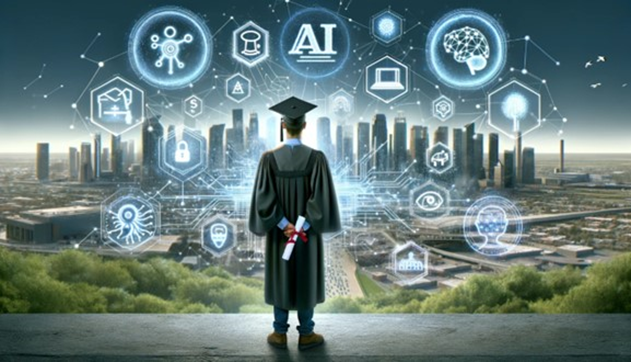
Note: Degrees, Financial Implications, and Deception: The Concealed Crisis in Global Education / Source: AI Generated

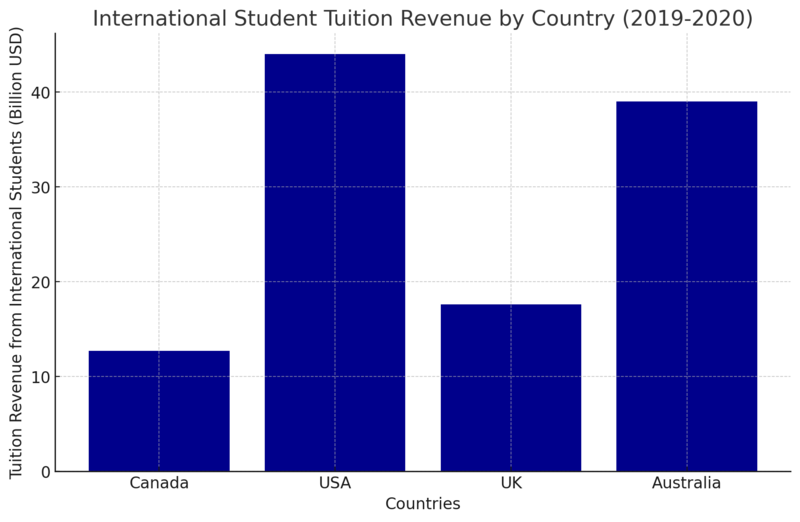
Countries such as the United States, Canada, Australia, and the United Kingdom are actively competing for international students, primarily due to the economic benefits. In order to compensate for diminished public funding, universities and colleges significantly depend on tuition from foreign students. In 2019-2020, tuition fees from international students in Canada generated an estimated $12.7 billion. An inundation of recruitment agencies has resulted from this financial incentive, which is exploiting students' urge to migrate. According to a 2021 audit report, approximately 280,000 international students were enrolled in Ontario, accounting for 68% of college tuition revenue. These institutions are susceptible to market fluctuations, visa policy modifications, and recruitment fraud due to their financial dependence on foreign students. Studying abroad is not merely an academic endeavor for numerous international students; it is also a means of obtaining employment and residency. For instance, Canada's immigration system offers graduates of Canadian institutions the opportunity to earn additional points when applying for permanent residency. Nevertheless, this system has resulted in agents who deceive students into believing that enrollment in particular institutions guarantee immigration.

Note: Tuition revenue generated from international students in Canada, the USA, the UK, and Australia for the 2019-2020 academic year.

Immigration agencies are essential in assisting students and laborers in navigating the intricate visa and settlement processes. They provide support in the areas of language requirements, documentation, and enrollment in educational institutions. Unfortunately, some agencies have engaged in deceptive practices, making false promises regarding visas, employment, and permanent residency. Concerns regarding fraudulent immigration agencies that fail to fulfill their obligations are underscored in a Quora thread. The majority of contributors concur that these actions are fraudulent and emphasize the importance of conducting thorough research prior to utilizing these services. The importance of appropriate supervision and regulation is underscored by the numerous individuals who have experienced fraud.

A substantial scandal has recently surfaced in Los Angeles, where the administrators of four schools were apprehended for operating a "pay-to-stay" scheme that enabled foreign nationals to maintain their student visa status without attending classes. The fraudulent institutions permitted students to remain in the United States without satisfying academic requirements by accepting tuition payments in exchange for Form I-20s. Three individuals were indicted for money laundering and immigration fraud, with a single school alone generating nearly $6 million annually from such schemes. This case demonstrates the potential for systemic abuse to result from inadequate governance, which can compromise the integrity of immigration and educational standards. In India and China, pupil recruitment malpractices have been identified through investigations. Billboards and advertisements in Punjab, India, advertise studying in Canada as a guaranteed route to permanent residency. Some agencies deceive families into selling assets to finance their children's overseas education by promising high-paying employment beyond graduation. Furthermore, it is purported that certain recruiters pay commissions to secure student placements, which frequently results in the exaggeration of application numbers. This has resulted in institutions prioritizing revenue over educational quality, resulting in admission offices that are overcrowded and academic standards that are diluted.

Many students who arrive under false pretenses are unable to fulfill academic obligations because of language barriers and employment responsibilities. Some individuals lack the requisite skills for higher education, despite successfully passing language proficiency examinations. Educators' reports indicate that the quality of education is compromised to facilitate students who are not adequately prepared. Additionally, students who anticipate lucrative employment opportunities frequently discover themselves employed in low-wage industries to maintain their financial stability. These students are exploited by businesses as cheap labor, while financial hardship compels them to pursue additional employment illegally. The high cost of living in Brampton, Ontario has resulted in a significant number of international students residing in illicit, overcrowded housing. In 2019, the city received 1,600 complaints concerning secondary housing units that were not regulated. The financial ruin that families who invested heavily in education-abroad dreams confront is a topic that is frequently discussed on Punjabi-language radio, with many callers emphasizing the issue. International students endure an immense mental health burden. A Toronto funeral home director has reported that they are responsible for the care of four to five international students' fatalities each month, which are believed to be the result of suicides or overdoses.

Note: Group of college students in the university amphitheater. / Source: https://www.istockphoto.com/photo/large-group-of-students-writing-gm182029935-21202099

The challenges that students encounter have been largely disregarded by authorities, despite the fact that immigration agencies and educational institutions benefit from the system. Policy recommendations include the decoupling of education from immigration to ensure that admission to colleges is not a guaranteed pathway to residency. Rather, international graduates should be assessed in conjunction with other immigration applicants. To prevent fraudulent recruitment, immigration and education agents should be subject to more stringent licensing requirements and oversight. Regular academic audits can be implemented to guarantee that students remain enrolled full-time and attend legitimate institutions. To mitigate their dependence on international tuition, universities and colleges should receive sufficient government funding. Additionally, to guarantee the success of international students, universities must offer enhanced academic, employment, and mental health support.


The intersection of international education and immigration presents both opportunities and challenges. While students strive for academic and professional development, their aspirations are endangered by unethical recruitment practices and fraudulent institutions. To preserve the integrity of both the education and immigration systems, governments must establish a balance between economic benefits. The prioritization of transparency, ethical recruitment, and meaningful student support is essential for a fair and sustainable immigration policy. International education can only then fulfill its genuine purpose of promoting global knowledge exchange, rather than serving as a trivial entryway for migration.

Picture

Member for

1 year 6 months
Real name
Megan Donovan
Bio
Education & Admissions Correspondent
Megan Donovan covers the fast-changing world of college admissions, standardized testing, and student success strategies. With a background in academic counseling, she brings a deep understanding of the challenges students face. Whether she’s analyzing Ivy League acceptance trends or uncovering flaws in the education system, her work provides invaluable insights for students and parents alike.

How Universities Justify Their Massive Advertising Budgets

How Universities Justify Their Massive Advertising Budgets

Picture

Member for

1 year 2 months
Real name
William Spencer
Bio
Chief Editor
A veteran in education journalism, William Spencer has spent over 30 years dissecting the policies and trends shaping higher education. As Chief Editor of The EduTimes, he is committed to delivering in-depth analysis on university rankings, admissions strategies, and the future of learning. With an unwavering dedication to journalistic integrity, he ensures that every article upholds the highest standards of accuracy and insight.

Modified

Universities, particularly private and for-profit institutions, spend millions on advertising to attract students, justifying it through tuition revenue and increased competition
While elite institutions rely on reputation, mid-tier and online schools depend on aggressive marketing to stay competitive
The sustainability of high marketing expenditures is debated, as some institutions struggle to balance costs with enrollment revenue

Higher education institutions in the United States collectively spend billions on advertising. Reports indicate that major universities allocate $1–2 million per month on digital marketing alone. This spending encompasses online ads, search engine marketing, social media campaigns, and traditional media placements.

For example, Southern New Hampshire University (SNHU) and Western Governors University (WGU) reportedly spend over $100 million per year on advertising. This raises a critical question: Is this money justified?

The Justification: Tuition Revenue vs. Marketing Costs

Most universities justify their advertising spend through tuition revenue. With tuition fees ranging from $10,000 to $50,000 per year, acquiring just a few hundred students through aggressive marketing can generate significant revenue.

  • Return on Investment (ROI): If an online program costs $20,000 per student and the university spends $2,000 per student acquisition, they still net $18,000 per student.
  • For-Profit Institutions: Schools like University of Phoenix and DeVry operate under a business model, where aggressive advertising ensures consistent student intake and profitability.
  • Public Universities: State-funded schools also invest in marketing to secure government funding, as more students mean higher federal and state subsidies.
Advertising Strategies Used by Universities

To maximize visibility and enrollment numbers, universities deploy multiple advertising strategies:

  1. Digital Advertising:
    • Google Ads and Facebook campaigns target prospective students searching for degree programs.
    • Retargeting strategies ensure that users who visit a university's website continue seeing ads later.
  2. Social Media Influencers:
    • Some institutions collaborate with student influencers to enhance their brand image and reach younger demographics.
  3. Traditional Media:
    • Billboards, television commercials, and print ads in education-focused publications remain part of many universities' strategies.
  4. Email Marketing & Webinars:
    • Direct outreach campaigns and virtual events help engage prospective students and convert leads into enrollments.
  5. Scholarship & Financial Aid Promotions:
    • Many schools use scholarship offerings as a marketing tool, positioning their programs as affordable to entice students.

The Role of Increased Competition

Another major driver behind high marketing budgets is competition.

  • The shrinking number of college-age students has intensified the race for enrollments.
  • Online programs have blurred regional boundaries, forcing universities to compete globally.
  • Traditional nonprofit universities are now competing with bootcamps, online certifications, and alternative education platforms, making visibility crucial.
Are Universities Profitable?

Despite high tuition revenue, profitability varies depending on the type of institution.

  • Elite Institutions (Harvard, Stanford, MIT) – They rely on reputation, endowments, and research funding rather than advertising.
  • Private Nonprofits (Small Liberal Arts Colleges) – Many struggle financially despite tuition revenue, leading some to close permanently.
  • For-Profit Universities (University of Phoenix, DeVry) – These schools rely on volume-based enrollments, and advertising is essential for sustaining revenue.

The Debate: Is This Spending Sustainable?

The sustainability of high ad spending remains a debated issue.

  • For elite universities? No need. Harvard and MIT have strong brand recognition.
  • For mid-tier and online schools? Necessary. They must attract students aggressively.
  • For struggling universities? Questionable. Some institutions spend more on ads than they recoup in tuition, leading to financial instability.

Additionally, the increasing skepticism toward higher education—with rising tuition costs and student debt concerns—raises questions about whether students will continue to enroll at the same rate in the future. Universities may need to rethink their models, focusing more on affordability, program flexibility, and real-world outcomes rather than pure advertising spend.

The Future of University Marketing

Looking ahead, universities may shift their focus toward more sustainable marketing models. Emerging trends include:

  • AI-Driven Personalization: Leveraging artificial intelligence to tailor marketing content to individual student preferences.
  • Content Marketing & Thought Leadership: Universities publishing research and expert analysis to organically attract students.
  • Corporate Partnerships: Institutions aligning with businesses to offer industry-aligned degrees that appeal to working professionals.
  • Lower-Cost Digital Strategies: Reducing reliance on expensive PPC (pay-per-click) campaigns and focusing more on organic growth.

University marketing budgets have skyrocketed in recent years, with some institutions spending over $100 million annually on advertising. While the investment often pays off in tuition revenue, the long-term sustainability is uncertain. As higher education evolves, institutions must balance aggressive marketing with financial viability to ensure they remain competitive without overspending.

In an era where student demographics are shifting and alternative education models are gaining traction, universities must adopt smarter, more cost-effective strategies. The schools that succeed will not necessarily be those that spend the most but rather those that adapt best to the changing landscape of higher education.

Picture

Member for

1 year 2 months
Real name
William Spencer
Bio
Chief Editor
A veteran in education journalism, William Spencer has spent over 30 years dissecting the policies and trends shaping higher education. As Chief Editor of The EduTimes, he is committed to delivering in-depth analysis on university rankings, admissions strategies, and the future of learning. With an unwavering dedication to journalistic integrity, he ensures that every article upholds the highest standards of accuracy and insight.

DeepSeek success puts focus on China’s universities

DeepSeek success puts focus on China’s universities

Picture

Member for

1 year 6 months
Real name
Megan Donovan
Bio
Education & Admissions Correspondent
Megan Donovan covers the fast-changing world of college admissions, standardized testing, and student success strategies. With a background in academic counseling, she brings a deep understanding of the challenges students face. Whether she’s analyzing Ivy League acceptance trends or uncovering flaws in the education system, her work provides invaluable insights for students and parents alike.

Modified

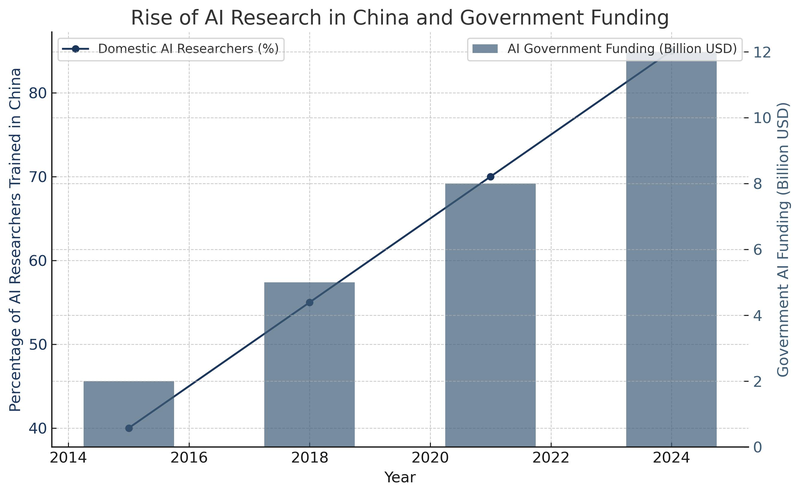
A significant change in how Chinese colleges view their own capabilities has been sparked by DeepSeek's rise to prominence as a global AI powerhouse. Chinese colleges are now proving that they can generate top-tier innovators who compete at the highest levels—without having to leave the country—instead of being perceived as needing to send their brightest minds abroad for further education and research possibilities.

Source: Jaap Arriens/NurPhoto via Getty Images

1. Homegrown Talent Is Driving Innovation

The foundation of DeepSeek's success is its research and development staff, which is primarily made up of recent graduates from Chinese universities, such as Shanghai Jiao Tong University, Tsinghua University, Peking University, and Zhejiang University. DeepSeek's core team members have received all of their training within China's academic system, in contrast to earlier generations of Chinese tech innovators who frequently studied overseas before making noteworthy contributions. Their accomplishments show that China's best universities have advanced to the point where they can develop the talent required to match or even outperform their Western counterparts.

The employment policy of the organization, which places more emphasis on skill than experience, supports the rising trust in Chinese educational establishments. Because China has historically lacked "hard-core" breakthroughs, Liang Wenfeng, the founder and CEO of DeepSeek, made it clear that "top talents are underestimated in China." These skills do exist and may produce ground-breaking work without the need for foreign degrees or training, as DeepSeek is now demonstrating.

2. A Break from Dependency on "Sea Turtle"

Known as "sea turtles" (海归), many of China's leading AI researchers, engineers, and scientists studied for decades at prestigious universities in the US, Europe, and other Western nations before returning to China. This was mainly due to the perception that domestic universities lacked the state-of-the-art research facilities found in the West.

This long-held belief is called into question by DeepSeek's growth. A thorough examination of its core personnel shows that the vast majority received their training in China, with very few having any academic experience abroad. Even more interesting is the fact that the majority of the professors who served as mentors for these researchers were graduates of Chinese universities, demonstrating that Chinese academic institutions can now produce elite talent independently of Western schooling.

The AI ecosystem in China will be significantly impacted by this. With access to cutting-edge research facilities, AI-focused degree programs, and abundant funding opportunities, Chinese universities are increasingly keeping their finest students rather than losing them to MIT, Stanford, or Oxford.

3. Government Spending on Education and AI

The Chinese government has made significant investments in DeepSeek for more than ten years, which has contributed to its success. China has spent billions on AI research, education, and industrial uses since it was declared a national priority in 2017. The nation has actively developed a top-tier AI ecosystem by:

establishing research facilities for AI at prestigious institutions.

providing yearly funding to thousands of PhD students studying AI.

promoting cooperation between academic institutions and internet behemoths like Baidu, Tencent, and Alibaba.

extending computer infrastructure to accommodate ambitious AI initiatives.

Chinese colleges have been able to move from being followers to leaders in AI research because to these efforts. Institutions like Peking University and Tsinghua University are now regarded as strong substitutes for Stanford or MIT in AI research, and the AI talent pipeline is no longer dependent on overseas training.

4. DeepSeek as a Sign of China's Independence in Innovation

In particular, U.S. technological limitations on China have contributed to DeepSeek's explosive growth. The goal of export prohibitions on cutting-edge AI processors and limitations on Chinese access to Western AI models was to impede China's technical advancement. Rather, they have spurred domestic innovation, forcing Chinese businesses and universities to create indigenous substitutes.

Similar to China's successful creation of the Tiangong Space Station and the BeiDou satellite navigation system despite being shut out of Western partnerships, DeepSeek has demonstrated that China is capable of producing top-notch AI models independently of American technology. The effectiveness and inventiveness of Chinese academics educated in domestic universities are demonstrated by the models' performance, even in the face of restricted access to powerful computer resources.

Note: China Pursuing Global Innovation. / Source: https://www.salzburgglobal.org/news/topics/article/4-ways-china-is-pursuing-global-technology-leadership

5. Chinese Universities' Increasing Reputation

Universities that taught DeepSeek's researchers are likewise becoming more well-known as its AI models become more well-known worldwide. Long regarded as two of China's best universities, Peking University and Tsinghua University are currently rising in the world rankings for AI research. These universities' reputations are greatly enhanced by the fact that DeepSeek's talent pipeline is virtually exclusively domestic, which draws in top students who might have otherwise thought about studying elsewhere.

With papers from colleges like Tsinghua and Peking often appearing alongside those from MIT and Stanford, China's universities have also been more represented at important AI conferences. This change demonstrates China's academic institutions' increasing legitimacy on the international scene.

6. Preserving Skill and Mitigating Brain Drain

The success of DeepSeek points to a larger shift in China's technical development strategy, one that emphasizes independence more. It is changing the career choices of China's most talented students by demonstrating that the country can produce world-class AI advancements. More young Chinese scientists are opting to remain in China, where they may contribute to innovative projects like DeepSeek, rather than feeling the need to study overseas in order to access possibilities for cutting-edge research.

The motivation for Chinese students to seek AI education in their homeland will only increase as more businesses emulate DeepSeek. The trend of sending top talent abroad for study and research is probably going to slow down as China's institutions continue to gain international recognition and the highest governmental levels promote the development of AI.

In conclusion, Chinese universities are entering a new era.

Note: Graph showing the rise of AI research in China, focusing on the percentage of AI researchers trained domestically and the corresponding government funding over time.

The achievement of DeepSeek demonstrates the maturity of China's academic and research institutions and goes beyond a single company's triumph. It has increased Chinese institutions' confidence in their capacity to attract and keep bright minds by proving that domestic talent can match the best in the world.

China's best universities are now regarded as independent innovation powerhouses rather than just stepping stones to universities abroad. A new age in which Chinese institutions are at the forefront of global AI research and technological growth is replacing the days of automatically sending China's best students overseas.

Picture

Member for

1 year 6 months
Real name
Megan Donovan
Bio
Education & Admissions Correspondent
Megan Donovan covers the fast-changing world of college admissions, standardized testing, and student success strategies. With a background in academic counseling, she brings a deep understanding of the challenges students face. Whether she’s analyzing Ivy League acceptance trends or uncovering flaws in the education system, her work provides invaluable insights for students and parents alike.

HE experts wary of STEM focus in immigration policy debate

HE experts wary of STEM focus in immigration policy debate

Picture

Member for

1 year 6 months
Real name
Megan Donovan
Bio
Education & Admissions Correspondent
Megan Donovan covers the fast-changing world of college admissions, standardized testing, and student success strategies. With a background in academic counseling, she brings a deep understanding of the challenges students face. Whether she’s analyzing Ivy League acceptance trends or uncovering flaws in the education system, her work provides invaluable insights for students and parents alike.

Modified

The UK's higher education sector, notably its STEM (Science, Technology, Engineering, and Mathematics) departments, confronts significant worries due to recent adjustments in immigration regulations. Despite warnings from academic and governmental agencies, the UK government has proven reticent to change these rules, even though there is a clear acknowledgment of their potential harmful impact on STEM provision. Universities that significantly depend on international students for both academic and financial support are alarmed by the tightening of visa requirements and the high application fees. There are concerns that the nation may jeopardize its own growth aspirations in high-tech industries and scientific innovation if the government doesn't change immigration laws or grant STEM talent exemptions. In order to avoid long-term harm to the STEM sectors, experts are advising the government to reconsider its immigration and higher education policy as the UK vies for top talent on a global scale.

International cooperation has long benefited the UK's higher education system, as evidenced by the fact that many STEM programs depend on non-EU students for both their financial and technical support. Recent immigration reforms by the government, however, have sparked questions about these programs' long-term sustainability. Academics and business executives are particularly concerned about the proposed modifications to the skilled worker visas and the implementation of higher wage limits. The minimum wage threshold for skilled worker visas has been raised dramatically by the UK's new immigration regulations, which take effect in April. Potential foreign talent may be turned off by this, especially postgraduate students, young professionals, and researchers in early career stages in disciplines like science and technology. In addition to upsetting people's chances for a successful career, these changes have unintended consequences that may impede continued research and technology development in the UK. Furthermore, as the nation's reliance on foreign student fees for funding grows, universities with robust STEM offerings—such as postgraduate taught courses—may be disproportionately impacted by the new regulations.

Note: Economic outlook of STEM graduates in the UK. Source: https://blog.dilipoakacademy.com/2024/10/24/usa-economic-outlook-2024-impact-on-stem-students-job-prospects/

In a recent report, the House of Lords Science and Technology Committee emphasized the dangers of these policies and urged the government to reconsider how restrictive immigration laws affect the UK's ability to compete in science and technology. The Committee is particularly concerned about the exorbitant fees for UK visas, which are currently among the highest in similar nations. International researchers and students may be deterred from selecting the UK as their destination by these growing expenses, which are exacerbated by the upfront payment of health levies. Although some UK leaders have admitted that foreign talent propels scientific and economic advancement, they have so far opposed meaningful reforms to immigration laws. The Committee has recommended that the UK adopt a more inclusive and flexible immigration system, similar to that of Australia, in order to draw in top-tier STEM talent and maintain the expansion of the country's innovation economy.

The government's position has made the discussion more divisive. On the one hand, experts contend that in order to continue to be a global leader, the UK needs to be flexible in luring talented individuals in domains such as artificial intelligence, engineering, and medical research. However, some commentators on higher education are concerned that STEM may be overemphasized at the expense of other important disciplines like the humanities, social sciences, and the arts. However, there is increasing agreement that the UK's goals for academic and technological advancement are not being met by the current immigration framework. The current challenge is striking a balance between the need to promote a thriving, globally competitive STEM sector and the requirement for effective immigration control. In the end, the UK's reputation as a center for innovation, research, and higher education may suffer long-term harm if the government does not address these issues. The UK's higher education sector, notably in STEM (Science, Technology, Engineering, and Mathematics), is concerned of immigration policies due to their potential to weaken the country's capacity to attract top international talent and maintain the viability of its STEM programs. 

Several factors contribute to this concern:

Substantial Immigration fees: The UK government’s visa and immigration rules impose substantial up-front fees on students and researchers. This includes the substantial immigration health surcharge, which has increased by up to 58% since 2021, and the requirement for applicants to pay these fees upfront before they even enter the country. These expenses, which can reach tens of thousands of pounds for early-career researchers, discourage many from pursuing their studies or careers in the UK. The UK is now less competitive in the global talent competition as other nations have lowered their visa fees.

Note: Immigration fees charged to students. / Source: https://www.savethestudent.org/international-students/top-international-bank-accounts-uk.html

Impact on STEM Postgraduate Programs: Many STEM postgraduate courses, particularly at the master's and PhD levels, rely heavily on international students, who not only provide critical academic and research contributions but also help subsidize the teaching and research costs through their tuition fees. The UK's stringent immigration laws, such as the tuition fee freeze and the prohibition on dependents for postgraduate taught courses, have put a financial burden on universities and disproportionately harmed STEM programs, according to the House of Lords. Institutions face significant financial challenges as the number of international students declines, especially in expensive fields like STEM.

Lack of Government Flexibility: The government has resisted changing its policies in spite of cautions from the House of Lords and the higher education industry. While the government acknowledges that some STEM fields rely on international students for their survival, it has not yet taken substantial steps to ease restrictions. Proposed reforms, such as excluding international students from net migration statistics or easing the Tier 2 salary threshold for post-graduation work visas, have been rejected.

Global Talent Visa Concerns: While the Global Talent Visa is seen as a positive move, it has limitations in terms of eligibility, particularly for early-career researchers. The visa’s high costs and restricted eligibility criteria make it difficult for many talented individuals in STEM fields to benefit from it. The House of Lords has suggested expanding this visa or creating a new route specifically tailored to high-potential early-career researchers.

Competition from Other Countries: As the UK competes with other nations like the US and Australia for global talent, restrictive immigration policies put it at a disadvantage. In particular, countries like Australia have adopted more flexible visa systems that make it easier to recruit international talent, including tracking individuals through their immigration status, which the UK has not fully embraced.

Note: There is a growing decline in international STEM students due to immigration policies in the UK.

Economic Impacts: The UK economy relies on a steady supply of STEM graduates to drive innovation and growth in key sectors like technology and engineering. The country's immigration policies, however, make it harder to attract and retain skilled workers in these areas. With a mismatch between the demand for STEM graduates and the supply of local talent, limiting the ability to bring in international experts could significantly harm the country’s competitiveness and growth prospects.

Note: Image depicting competition among other countries in gaining immigrant workers. Source: https://www.ozstudies.com/studying-in-australia/why-study-in-australia/comparison-between-australia-uk-and-usa

In summary, the UK’s current immigration policies are seen as a major hurdle for the STEM sector, both in terms of attracting international students and researchers and maintaining the financial stability of STEM programs at universities. The sector is urging the government to adopt more flexible and competitive visa policies to ensure the UK remains a top destination for global STEM talent.

Picture

Member for

1 year 6 months
Real name
Megan Donovan
Bio
Education & Admissions Correspondent
Megan Donovan covers the fast-changing world of college admissions, standardized testing, and student success strategies. With a background in academic counseling, she brings a deep understanding of the challenges students face. Whether she’s analyzing Ivy League acceptance trends or uncovering flaws in the education system, her work provides invaluable insights for students and parents alike.